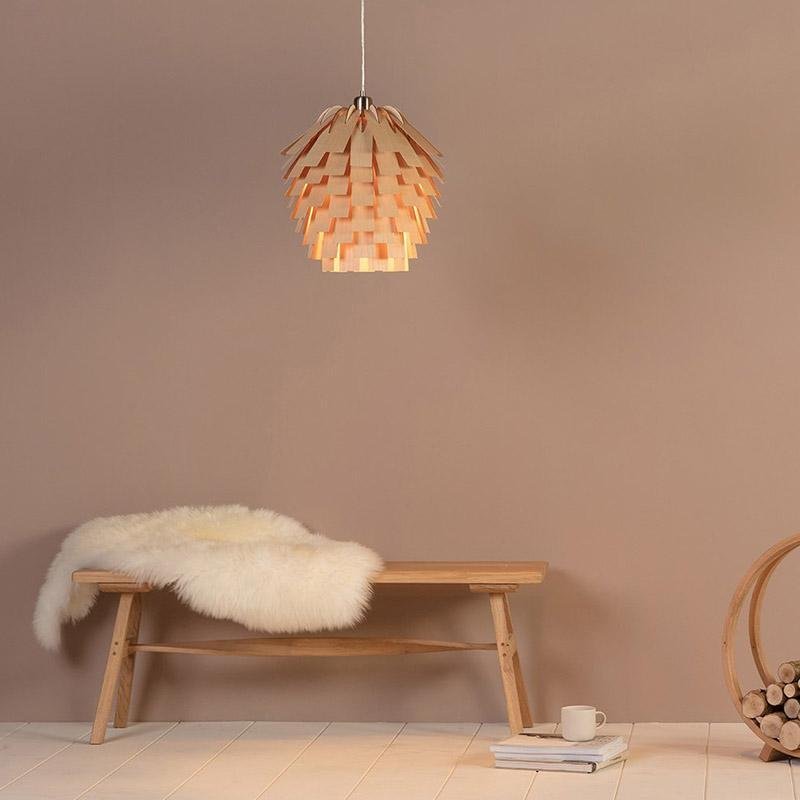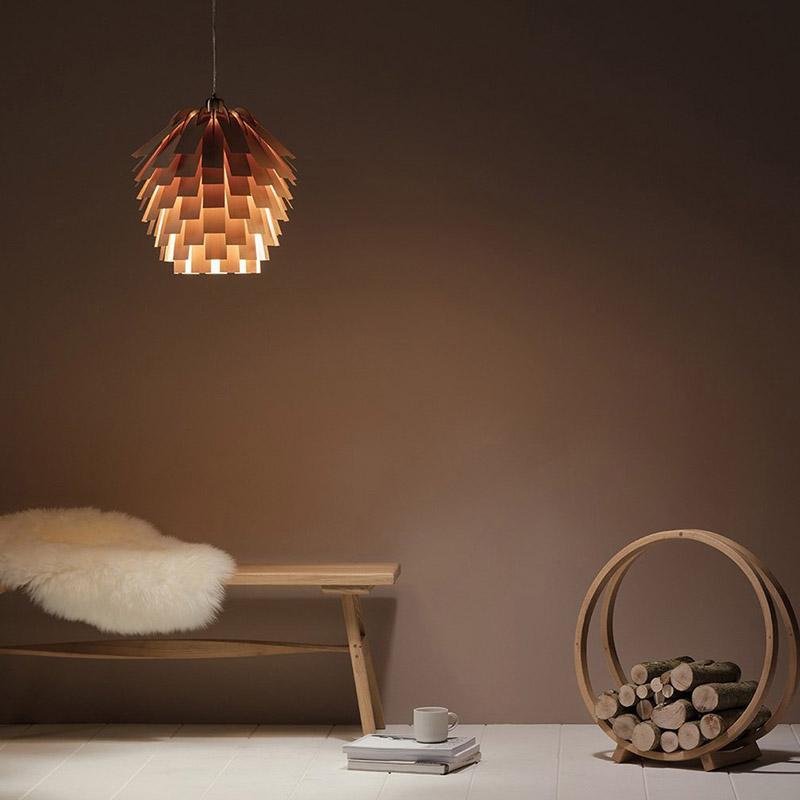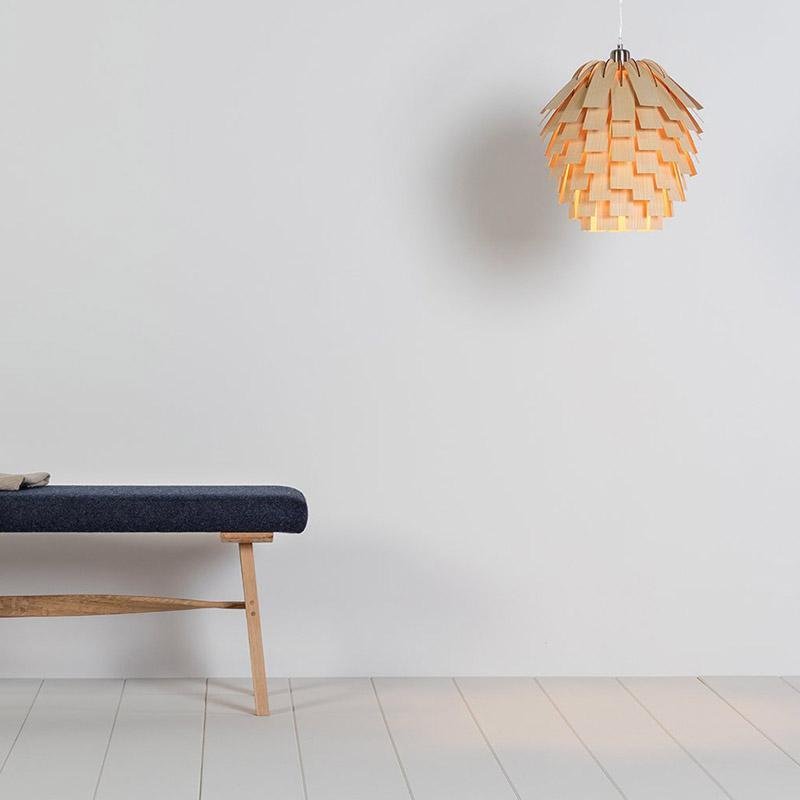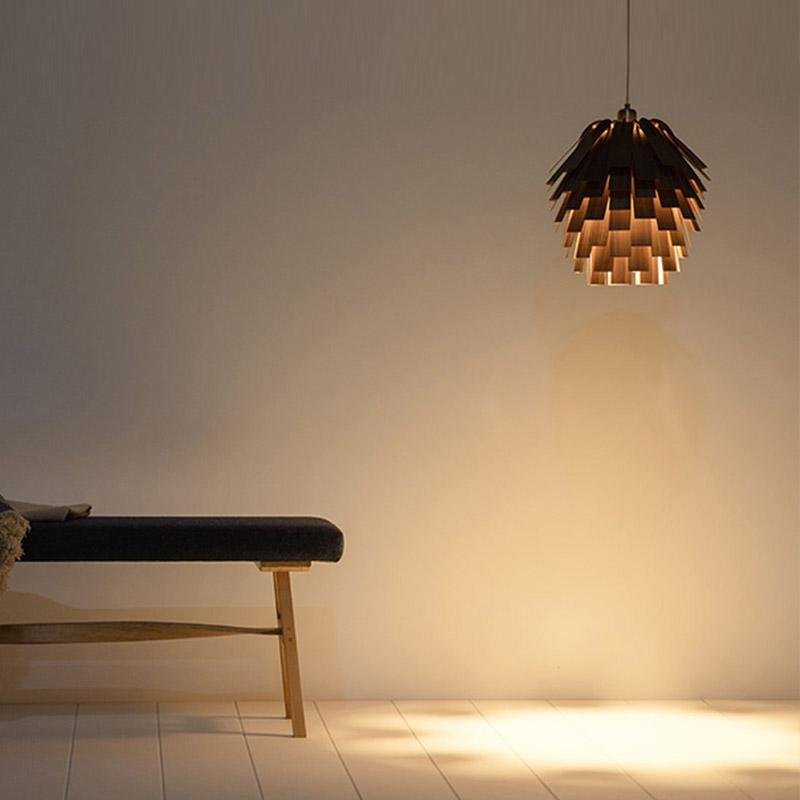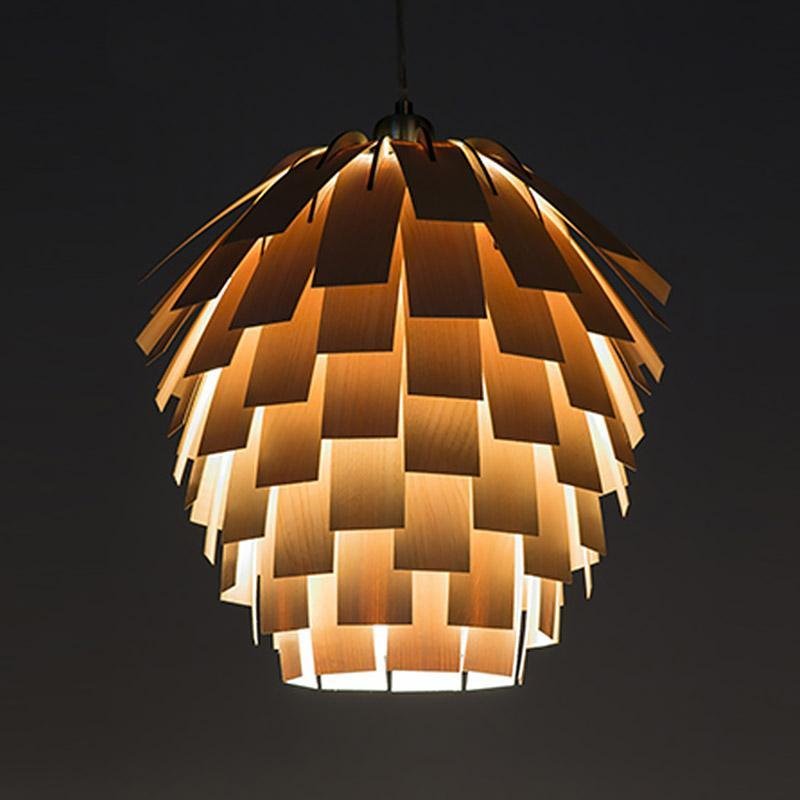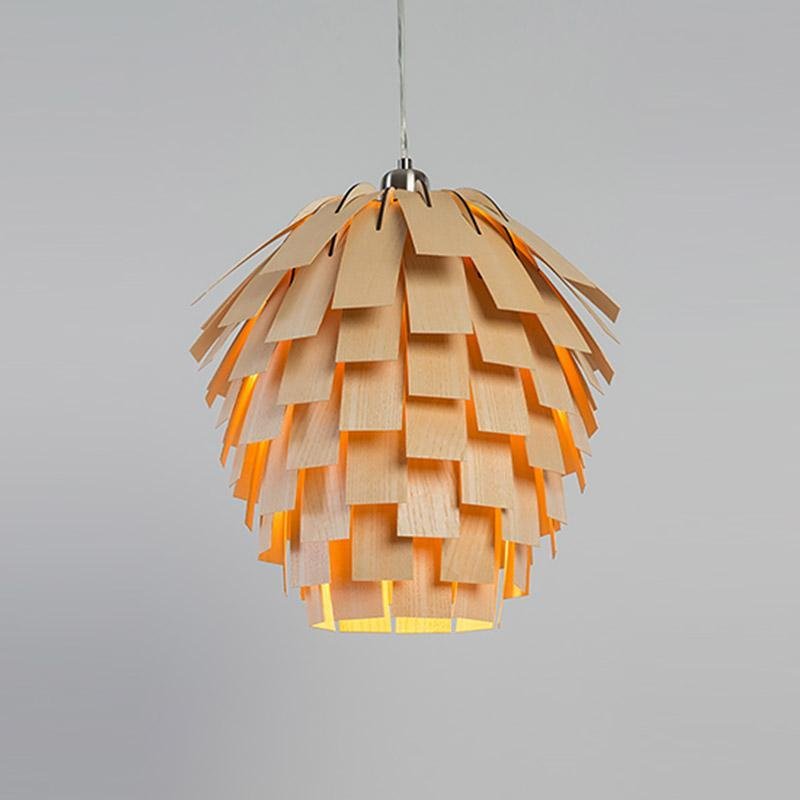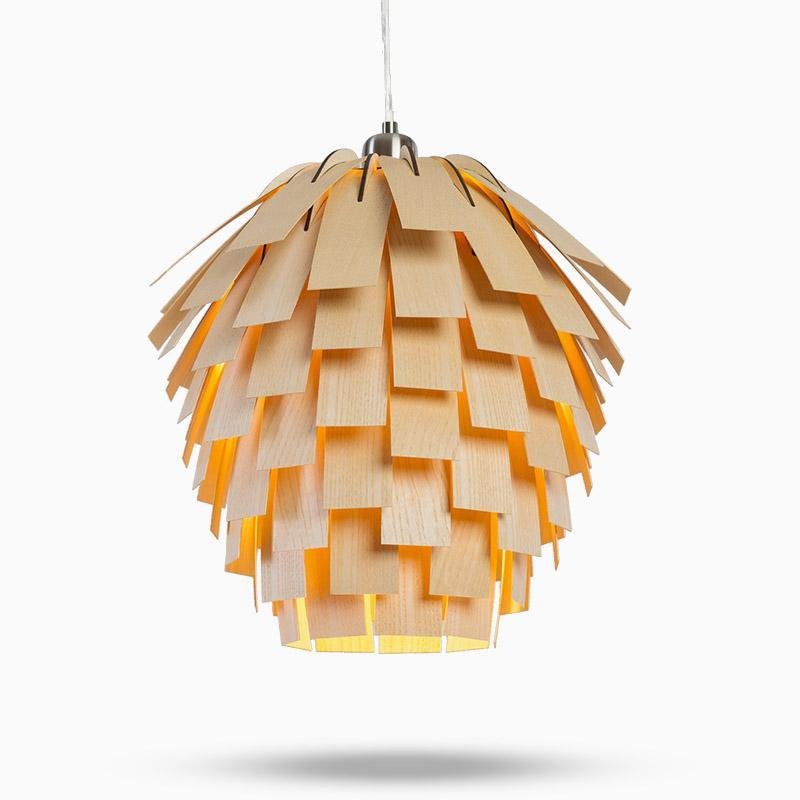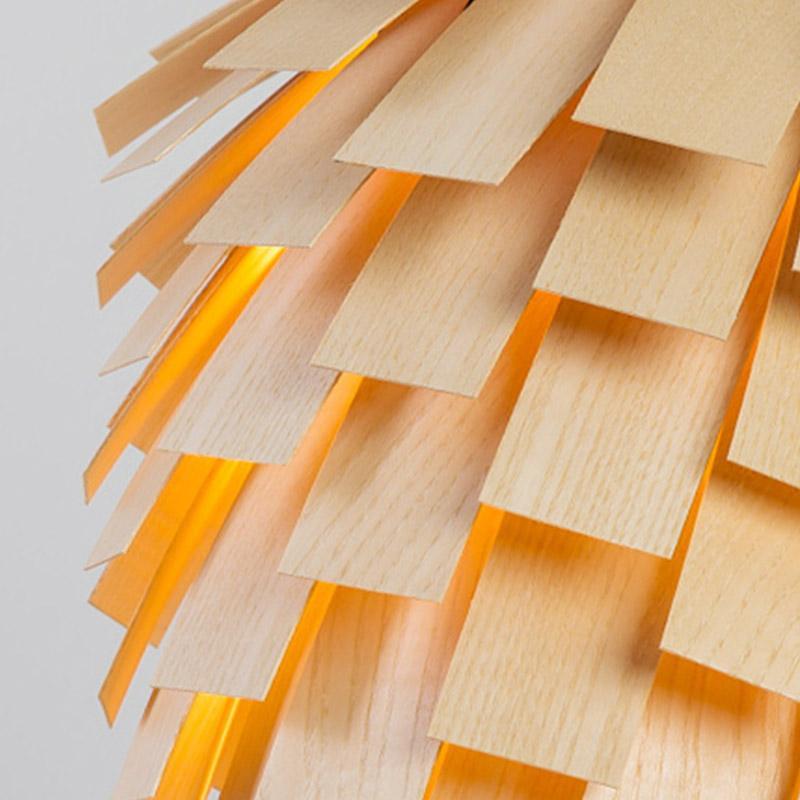
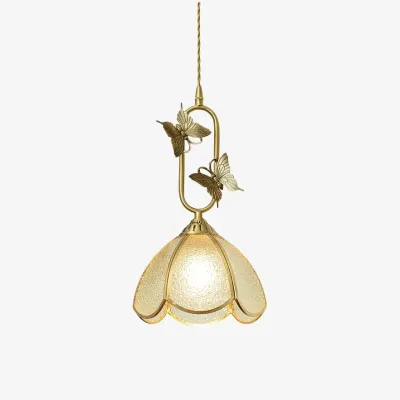
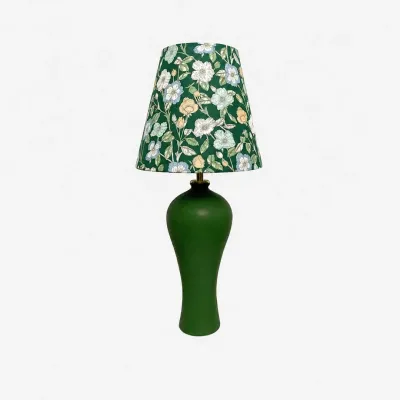
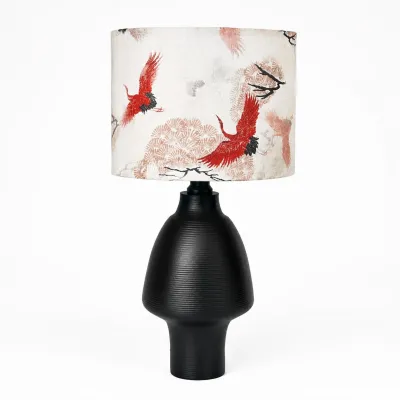
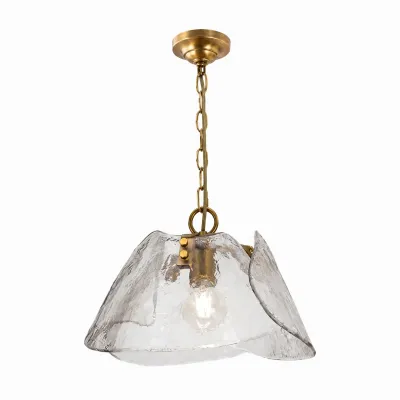
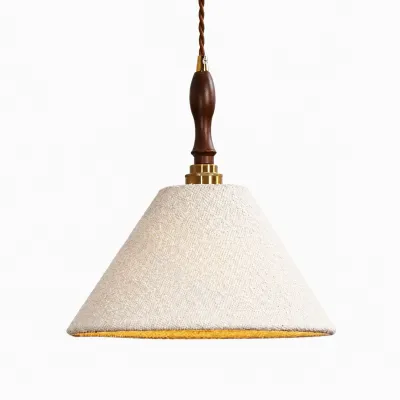
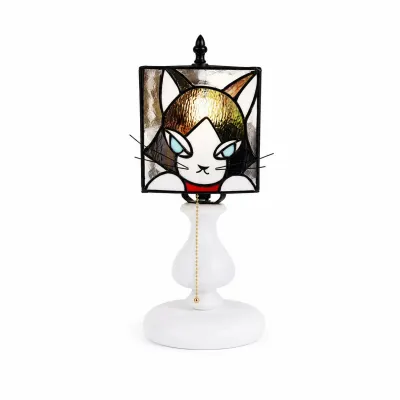
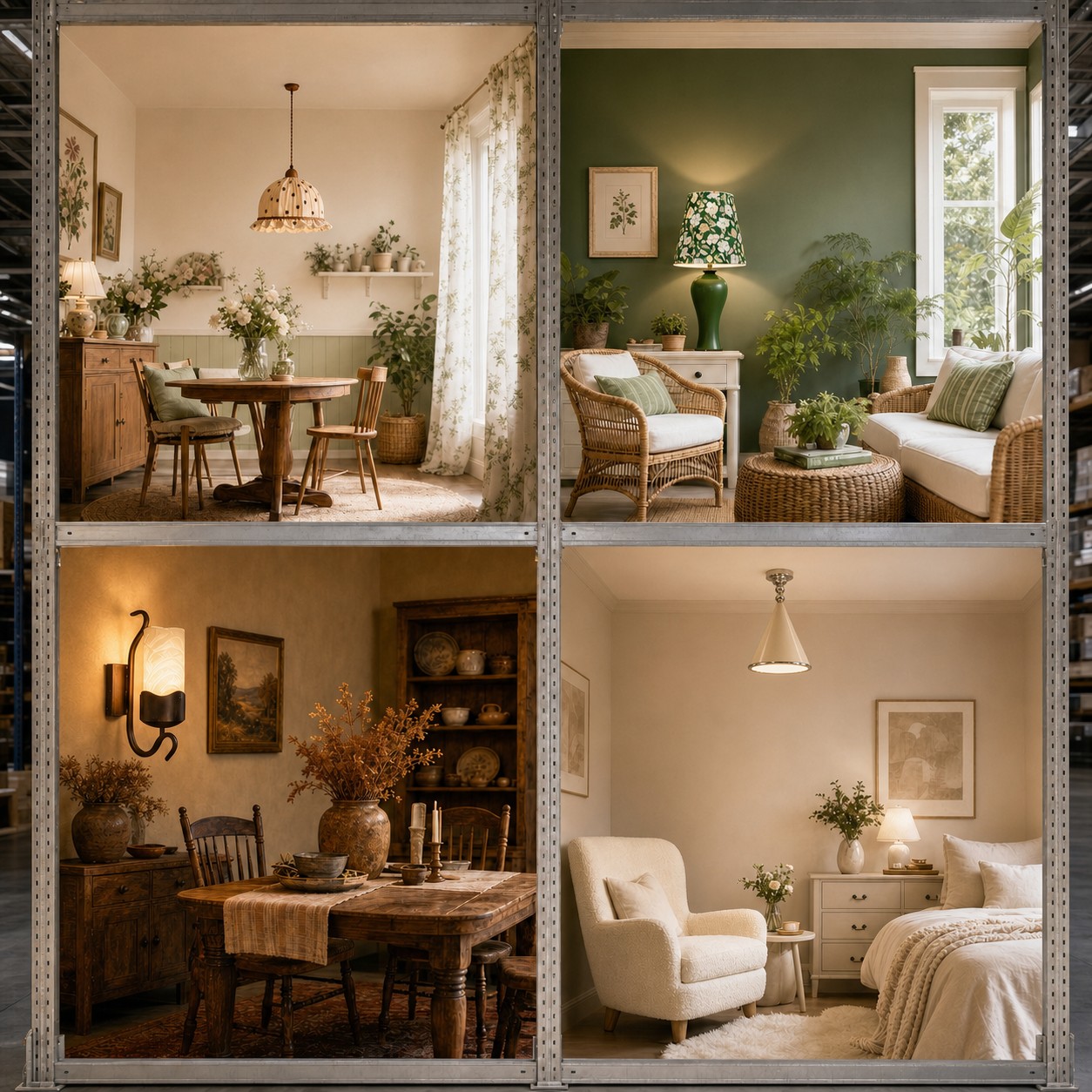
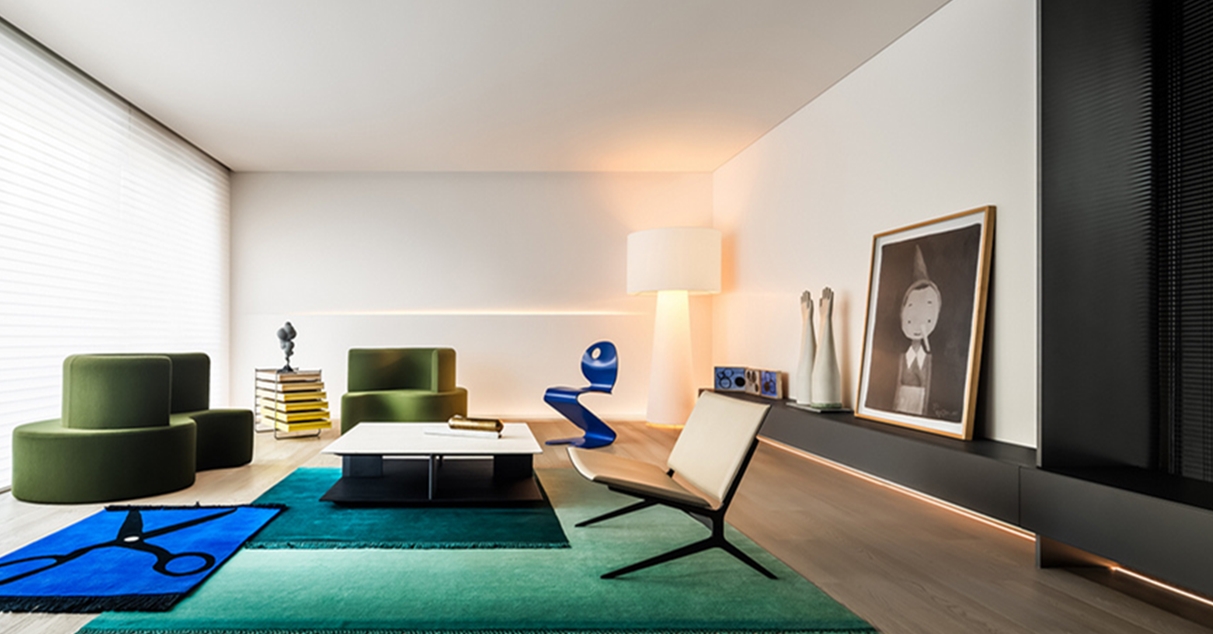
Lighting is a fundamental aspect of interior design that significantly influences the ambiance, functionality, and overall aesthetic of a space. Proper lighting can transform a room, enhancing its colors, textures, and architectural features, while also impacting the mood and well-being of its occupants.
#### Enhancing Mood and Productivity
Lighting has a profound effect on our emotions and productivity. According to a study published in the Journal of Consumer Psychology, intense lighting can amplify our emotions, both positive and negative. Warm lighting tends to create a cozy, relaxing atmosphere, while cooler lighting can increase alertness and concentration. This makes it crucial to choose the right lighting for different spaces in your home to match their intended use【80†source】【82†source】.
#### Types of Lighting
There are three main types of lighting used in interior design:
1. **Ambient Lighting**: This provides overall illumination to a room, making it feel bright and spacious. Examples include ceiling fixtures and chandeliers.
2. **Task Lighting**: This type of lighting is focused on specific areas to aid in tasks such as reading or cooking. Desk lamps and under-cabinet lights are common examples.
3. **Accent Lighting**: Used to highlight particular objects or architectural features, accent lighting includes spotlights and track lights【81†source】【83†source】.
#### Balancing Natural and Artificial Light
Balancing natural and artificial light is essential for creating a harmonious and energy-efficient environment. Natural light has been shown to regulate circadian rhythms, improve mood, and increase productivity. Incorporating large windows, skylights, and using reflective surfaces like mirrors can maximize natural light during the day, reducing the need for artificial lighting【82†source】【83†source】.
#### Practical and Aesthetic Considerations
Lighting fixtures should complement the room’s design style, whether modern, traditional, or eclectic. Fixture size and placement are also critical to ensure proportionality and adequate illumination. Energy-efficient lighting options, such as LEDs, not only reduce energy consumption but also have a longer lifespan, making them a sustainable choice【80†source】【81†source】.
#### Impact on Color and Texture
Lighting can dramatically alter how colors and textures appear in a room. For instance, warm-toned lights can enhance warm colors like reds and yellows, while cool-toned lights can bring out blues and greens. Directional lighting can also add depth and dimension by creating shadows and highlighting textures【80†source】【83†source】.
In conclusion, effective lighting is integral to creating a functional and inviting space. By understanding the different types of lighting and their impact on mood, color, and texture, you can design interiors that are both beautiful and practical. Investing in quality lighting can transform your home, making it a place of comfort and inspiration.
### References
1. Foyr. (2023). [The Importance of Lighting in Interior Design]
2. Wood & Co. (2023). [The Importance of Lighting in Interior Design]
3. ArchDaily. (2023). [Mood Changers: Why Lighting is The Most Important Design Feature]
4. Katherine Mueller Design. (2023). [Importance of Lighting in Interior Design]